From Attic to Basement: Comprehensive Insulation Tips from Top Shot Experts Mar 25, 2026
The Attic: Your First Line of Defense
Attics are notorious for being a primary source of heat loss, making them a critical focus for insulation efforts. Start by checking the current condition of your attic insulation. If you can see the floor joists, it’s a sign you need more insulation. We recommend using materials such as cellulose or spray foam, which provide excellent thermal resistance and air-sealing properties.
A crucial aspect of attic insulation is proper ventilation. Ensuring proper airflow prevents moisture build-up, which can lead to mold or structural damage. Installing ridge vents and ensuring that soffit vents are not blocked will promote a healthy air exchange, effectively preserving your attic's insulation and prolonging its efficiency.
Walls: The Unsung Hero
While walls might seem difficult to address once a home is built, there are still impactful insulation solutions available. One effective method is to use blown-in insulation, which fills cavities completely, providing an optimal air seal. Additionally, for homes undergoing renovation, consider installing rigid foam insulation on the exterior walls, which can significantly improve your insulation envelop and reduce thermal bridging.
For older homes, checking for drafts around outlets, switches, and trim can uncover areas where insulation is lacking. Sealing these gaps with caulk or expanding foam can greatly enhance your home’s overall insulation performance.
Floors and Foundations: Building a Strong Base
For homes with basements or crawl spaces, insulating floors is essential for maintaining an even temperature throughout your home. Uninsulated basements can become a significant source of heat loss, leading to increased heating bills and colder floors above. Top Shot Insulation experts suggest using rigid foam boards along the walls and fiberglass insulation between floor joists to create a thermal barrier.
If your home has a crawl space, consider both sealing and insulating the area. Vapor barriers placed directly on the ground can prevent moisture issues, while insulation on the walls helps maintain a steady temperature. This dual approach can result in a noticeably more comfortable home environment.
Basement Insulation: Preventing Energy Drain
Basements often get overlooked when considering insulation, yet they are vital in keeping the lower part of your home warm. Interior basement wall insulation typically involves installing foam panels, which are then covered with drywall for safety and aesthetics. This approach prevents the conduction of cold air from the ground, keeping the basement, and in turn the rest of your home, cozy.
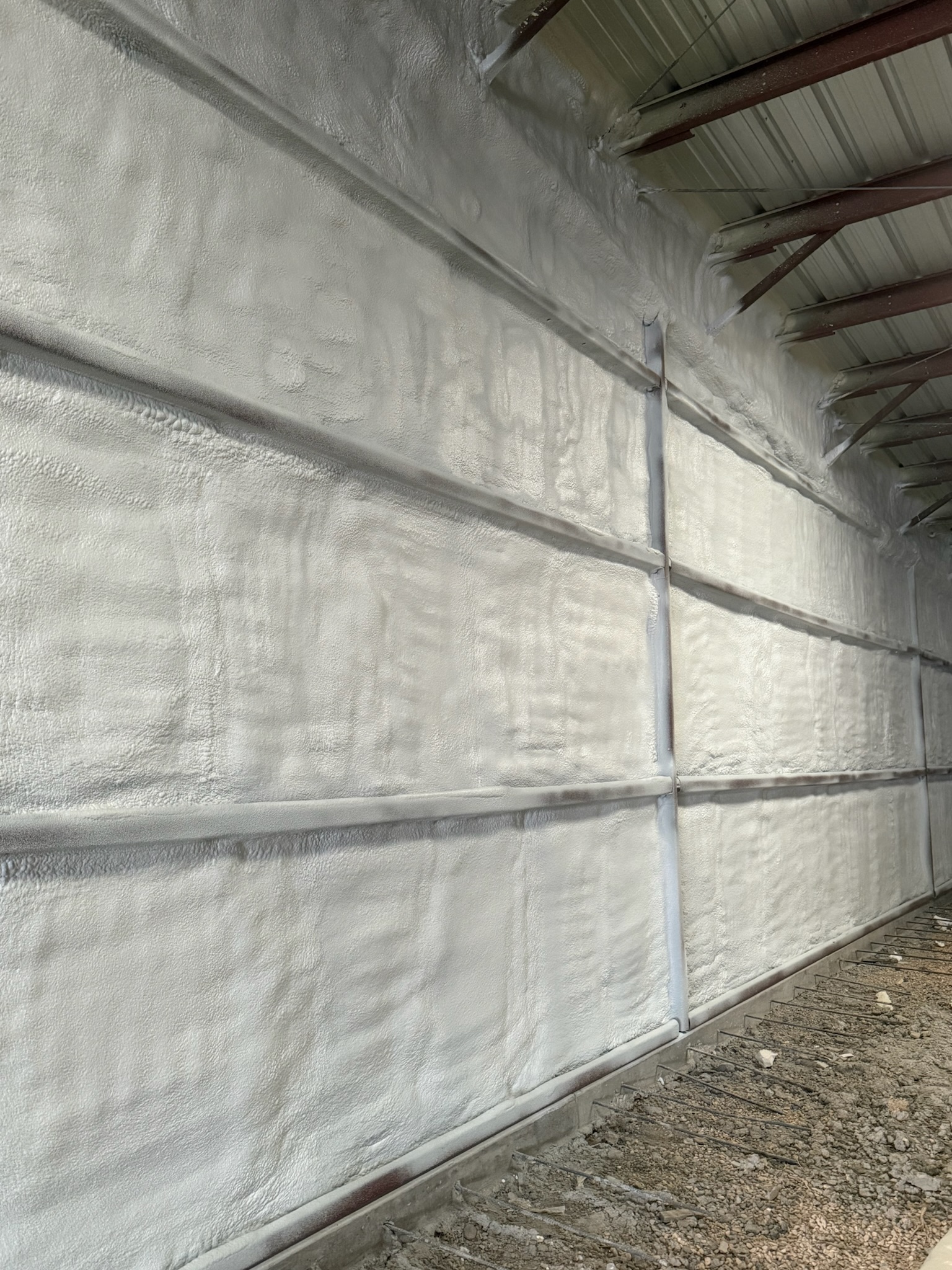
Exterior insulation is another option but requires careful planning and waterproofing to ensure long-term protection. At Top Shot Insulation, we advise taking a comprehensive approach, examining both possibilities to ensure maximum efficacy and minimal moisture risk.
Conclusion: Optimize Your Home's Comfort
Insulating your entire home from attic to basement can seem like a daunting task, but the rewards are well worth the effort. Not only do you see savings on energy costs, but you also enjoy increased comfort and a reduced environmental footprint. Whether you’re embarking on a new insulation project or looking to upgrade, partnering with professionals, like the experts at Top Shot Insulation, ensures that each area of your home is expertly managed for the best possible outcome.
Invest in your home’s future by starting with these comprehensive insulation tips, and you are sure to feel the benefits all year round. If you're in need of professional advice or services, reach out to Top Shot Insulation for tailored solutions designed to meet your specific needs.
/filters:no_upscale()/filters:format(webp)/media/e841b3ef-2b07-444d-a155-dd76244142a2.jpeg)
/filters:no_upscale()/filters:format(webp)/media/80ba3dd6-9b2b-4f6a-adbd-5fe0b03f36bb.png)